

Firescaping:
The practice of designing, planting, and maintaining landscapes to reduce wildfire risk and improve a property’s resilience to fire. It combines strategic plant selection and placement, vegetation management, irrigation, hardscaping, and defensible space while still creating beautiful, functional, and ecologically valuable gardens.
The practice of designing, planting, and maintaining landscapes to reduce wildfire risk and improve a property’s resilience to fire. It combines strategic plant selection and placement, vegetation management, irrigation, hardscaping, and defensible space while still creating a beautiful, functional, and ecologically valuable garden.


Zone 1: The Immediate Zone
The area immediately surrounding your home is the most important place to reduce combustible materials. Keep this zone free of flammable plants, wood mulches, firewood piles, organic debris, and other combustible materials. Ideally, in this zone, noncombustible surfaces such as gravel, stone, concrete, or pavers are present.
0 m - 1.5 m
1.5 m - 10 m
In this zone, the aim is to reduce or halt the movement of fire towards structures through careful mulch choices, strategic firebreaks, and the placement of wildfire-resilient vegetation. Focusing on creating breaks in vegetation and reducing ladder fuels by making space between plants and lower tree limbs.
Zone 2: The Intermediate Zone
Manage larger vegetation and reduce opportunities for fire to move through the landscape by spacing and pruning trees, managing dense understory vegetation, removing excessive woody debris, and avoiding continuous pathways of highly combustible vegetation leading toward the home.
10 m - 30 m
Zone 3: The Extended Zone
- Firesmart Zones -

Image Source: FireSmartbc.ca
How do wildfires start?
Wildfires begin when an ignition source meets dry, combustible material such as grasses, leaves, branches, or woody debris. Ignitions can come from natural sources such as lightning, but on Vancouver Island, most wildfires are caused by human activities, such as campfires, equipment/vehicle use, and discarded cigarettes.


Slope
Fire moves faster uphill because rising heat preheats the vegetation above it. Homes located on or above steep slopes should pay greater attention to their vegetation types and placement since slope could be one of their main fire behaviour factors.
Fire moves
faster uphill because rising heat preheats the vegetation above it. Homes located on or above steep slopes should pay greater attention to their vegetation types and placement since slope could be one of their main fire behaviour factors.
- Wildfire Behaviour -
Aspect

The direction a slope faces can greatly affect temperature, moisture, and vegetation. South and southwest-facing slopes are often hotter and drier, which can increase the flammability of vegetation during fire season.
The direction a slope faces can greatly affect temperature, moisture, and vegetation. South and southwest-facing slopes are often hotter and drier, which can increase the flammability of vegetation during fire season.

Wind
Wind can rapidly change wildfire behaviour and carry burning embers up to 5km ahead of a fire. Know the prevailing winds for the area, as this is likely the direction embers and fire will travel towards across landscapes.
Wind can rapidly change wildfire behaviour and
carry burning embers up to 5km ahead of a fire.
Know the prevailing winds for the area, as this is likely the direction embers and fire will travel towards across landscapes.
How do wildfires spread?
Fire evolves from an ignition source to nearby fuels such as dry plants, small twigs, and dead leaves primarily through radiant heat, direct flame, and airborne embers. Ember ignitions account for 90% of wildfire spread. Slope, dry conditions, and continuous vegetation can further accelerate fire spread.
Vegetation Types
Consider what’s growing within and beyond your garden. Dense conifers, dry lawns, tall grasses, woody shrubs, ladder fuels, and continuous vegetation can influence how fire interacts with a property. Look for opportunities to reduce ladder fuels, create breaks in vegetation, and reduce excess ground fuels.
Ladder Fuels
Layers of vegetation that allow fire to climb from the ground into shrubs and then into the canopies of larger trees. Tall grasses, dense shrubs, low-hanging branches, vines, and accumulated dead material can create these connections.
- Resilient Design Tips -
Create a Noncombustible Perimeter
The first 1.5 m surrounding structures is one of the most important places to reduce potential fuels, which is why FireSmart recommends using hardscape like gravel, stone, pavers, concrete, or other noncombustible materials to create separation between the structure and surrounding vegetation.


Mulch

Compost
Woody mulches such as bark mulch and arborist chips can be highly combustible when dry and should be avoided immediately around structures or as paths leading towards structures. Only use high-quality compost in garden beds nearest the home, and reserve the use of woody mulches for areas farther into the landscape past 30 m.
Mulch Strategically
Reduce Ladder Fuels
Create a vertical fire break by ensuring a 2 m gap between lower tree limbs and the ground or any understory plants. If planting vegetation under trees, ensure wildfire-resilient, low-growing plants are used. Remove dead branches, accumulated debris, and maintain separation between ornamental grasses, shrubs, and tree canopies. Aim for a landscape with both distinct layers and intentional gaps vertically and horizontally, rather than continuous vegetation, especially from the ground upward.


Many conifers contain resins, oils, dense foliage, and persistent dead needles, making them some of the most flammable plants in our gardens. Best practice is to avoid planting all conifers directly beside homes, decks, sheds, and other structures. Where conifers already exist, prune the lower branches up to 2 m, or if it is a shrub, then keep it pruned low to the ground. Stay on top of removing dead material, maintain adequate spacing, water more during the dry summer months, and prevent surrounding shrubs or grasses from creating ladder fuels below.
Limit Conifers Around Structures
Many conifers contain resins, oils, dense foliage, and persistent dead needles, making them some of the most flammable plants in our gardens. Best practise is to avoid planting all conifers directly beside homes, decks, sheds, and other structures.
Where conifers already exist, prune the lower branches up to 2 m, or if it a shrub then keep it pruned low to the ground. Stay on top of removing dead material, maintain adequate spacing, water more during the dry summer months and prevent surrounding shrubs or grasses from creating ladder fuels below.
Avoid Wooden Fences and Hedges Leading To Structures
Avoid continuous wooden fences or hedges that lead directly toward structures, as they can provide a pathway for fire. In the first 1.5 m where a wooden fence meets a house, consider installing a metal gate or noncombustible section. If a wooden gate is used, positioning it so that it opens and rests against the fence, helping create separation between the fence and structure when opened. Similar principles apply to hedges, which should never be planted in the first 1.5 m and should be interrupted with pathways, gates, hardscaping, or intentional gaps to reduce the continuous fuel pathway.
Similar principles apply to hedges, which should never be planted in the first 1.5 m and should be interrupted with pathways, gates, hardscaping, or intentional gaps to reduce the continous fuel.

Avoid continuous wooden fences or hedges that lead directly toward your home, as they can provide a pathway for fire. In the first 1.5 m where a wooden fence meets a house, consider installing a metal gate or noncombustible section. If a wooden gate is used, positioning it so that it opens and rests against the fence and not a structure, helping create separation between the fence and structure when opened.
What Makes a Plant Fire Resilient?
-
Native plants that are well suited to local growing conditions.
-
High moisture content in leaves and stems.
-
Low levels of volatile oils and resins.
-
Herbaceous growth rather than dense, woody growth.
-
Thick, fleshy, or succulent leaves that retain moisture.
-
Deciduous and broad-leaved foliage.
-
Open, less dense branching and foliage.
-
Minimal shedding of dry leaves, needles, twigs, bark, and debris.
-
Well adapted to the existing site conditions.
-
Drought-tolerant plants that stay healthy and hydrated with appropriate irrigation in the dry summer months.
Fire Resilient is Not the Same as Fire Proof
-
Arbutus*
-
Big Leaf Maple*
-
Cascara
-
Catalpa
-
Fruit Trees
-
Garry Oak*
-
Ginkgo
-
Japanese Maple
-
Linden
-
Magnolia
-
Pacific Dogwood*
-
Red Alder*
-
Red Maple
-
Staghorn Sumac
-
Sweetgum
-
Vine Maple*
-
Willow*
Trees
-
Arbutus*
-
Big Leaf Maple*
-
Cascara
-
Catalpa
-
Fruit Trees
-
Garry Oak*
-
Ginkgo
-
Japanese Maple
-
Linden
-
Magnolia
-
Pacific Dogwood*
-
Red Alder*
-
Red Maple
-
Staghorn Sumac
-
Sweetgum
-
Vine Maple*
-
Willow*
Bethany's Top Fire Resilient Plants for Southern Vancouver Island
Shrubs
-
California Lilac
-
Elderberry*
-
Evergreen Huckleberry*
-
Hardhack*
-
Hydrangea
-
Lewis' Mock Orange*
-
Lilac
-
Mexican Mock Orange
-
Ninebark*
-
Oregon Grape*
-
Red Flowering Currant*
-
Rhododendron
-
Rose of Sharon
-
Salal*
-
Serviceberry*
-
Strawberry Tree
-
Witchhazel
-
Aster*
-
Bee Blossom
-
Beebalm
-
Beesia
-
Big Leaf Lupine*
-
Black Eyed Susan
-
Catmint
-
Columbine*
-
Coneflower
-
Coreopsis
-
Cranesbill
-
Daylily
-
Goldenrod*
-
Heuchera*
-
Hosta
-
Joe Pye Weed
-
Leopard's Bane
Perennials
-
Mexican Daisy
-
Nodding Onion*
-
Pearly Everlasting*
-
Poppy
-
Russian Sage
-
Sea Holly
-
Sea Thrift*
-
Shooting Star*
-
Siberian Bugloss
-
Speedwell
-
Swamp Milkweed
-
Sword Fern*
-
Trillium*
-
Wild Ginger*
-
Woodland Sage
-
Woolly Sunflower*
-
Yarrow*
Groundcovers
-
Clover
-
Creeping Thyme
-
False Lily of the Valley*
-
Kinnickinnick*
-
Redwood Sorrel*
-
Sedum*
-
Snow-in-Summer
-
Wild Strawberry*
-
Wintergreen
Bulbs and Tubers
-
Allium
-
Camas*
-
Crocus
-
Daffodil
-
Dahlia
-
Iris
-
Snowdrops
-
Aster*
-
Bee Blossom
-
Beebalm
-
Beesia
-
Big Leaf Lupine*
-
Black Eyed Susan
-
Catmint
-
Columbine*
-
Coneflower
-
Coreopsis
-
Cranesbill
-
Daylily
-
Goldenrod*
-
Heuchera*
-
Hosta
-
Joe Pye Weed
-
Leopard's Bane
-
Mexican Daisy
-
Nodding Onion*
-
Pearly Everlasting*
-
Poppy
-
Russian Sage
-
Sea Holly
-
Sea Thrift*
-
Shooting Star*
-
Siberian Bugloss
-
Speedwell
-
Swamp Milkweed
-
Sword Fern*
-
Trillium*
-
Wild Ginger*
-
Woodland Sage
-
Woolly Sunflower*
-
Yarrow*
* indicates native plant species
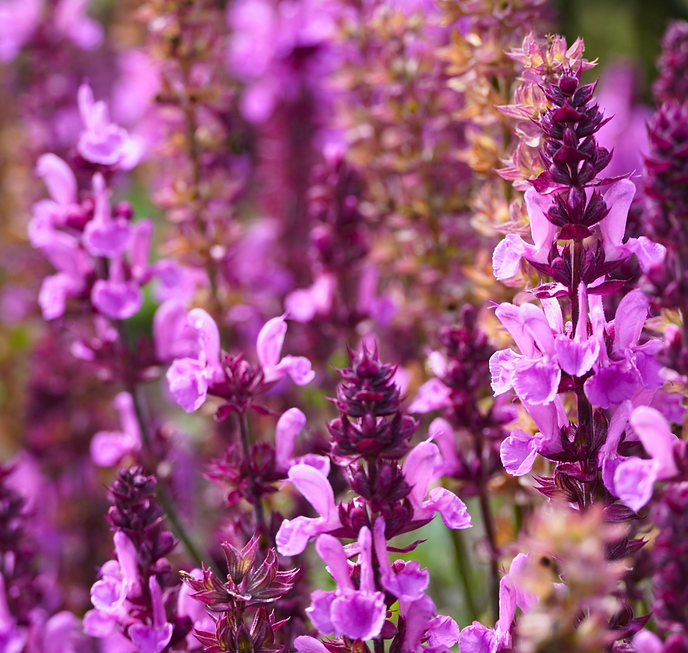
Check out the FireSmartBC Landscaping Hub which has hundreds of resilient plant, shrub and tree suggesttions. Their hub also lists suggested FireSmart Zone placements, maximum growth size, water needs, pollinator support, plant hardiness zones and more!
Want to learn more about fire resilient plants?


- Fire resilient Plants -
Native Plants
On Southern Vancouver Island, many of our native plants are highly adapted to our dry summers, seasonal rainfall, and local soils. This allows them to remain healthy with less supplemental water once established. Many native plant species have coevolved with wildfires as a natural ecosystem function and have adapted fire-resilient growth habits and features.



What Makes a Plant High Risk?
-
High levels of resins, oils, or other volatile compounds.
-
Dry, fine, or needle like foliage that ignites easily.
-
Produces or retains large amounts of dead leaves, needles, twigs, or bark.
-
Peeling, shredding, or papery bark that can readily ignite.
-
Naturally low moisture content during the dry season.
-
Dense, woody growth with lots of fine branches and stems.
-
Produces significant seasonal debris.

Garden Practices that Increase Risk
-
Tall, unpruned shrubs growing beneath trees that can create ladder fuels.
-
Plants positioned too closely together, creating continuous fuels.
-
Plants that become drought stressed or die back during summer.
-
Poorly maintained plants with accumulated dry or dead material.
-
Combustible plants located directly beside structures, decks, fences, or other fuels.
Why Invasive Species Increase Wildfire Risk
-
Reduces biodiversity and negativelly impacts overall health of landscapes.
-
Not adapted to local conditions and are less climate-resilient.
-
Often lacks natural wildfire-resilience habits.
-
Can create dense, continuous vegetation that allows fire to spread.
-
Often produce lots of dry leaves, stems, grasses, and woody debris.
-
Forms ladder fuels between ground vegetation and tree canopies.
-
Spreads rapidly and reduces natural firebreaks.
-
Competes with native plants and alters natural plant and wildlife communities.

Learn more about invasive plants in BC
- High Risk Plants -
Highest Risk Plants
-
Arborvitae (Cedar)
-
Broom
-
Cedrus
-
Douglas Fir
-
Eucalyptus
-
Firs
-
Fountain Grass
-
Gorse
-
Holly
-
Juniper
-
Pampas Grass
-
Pine
-
Ponderosa Pine
-
Spruce
-
Larch
-
Yew
-
Holly
-
Juniper
-
Pampas Grass
-
Pine
-
Ponderosa Pine
-
Spruce
-
Larch
-
Yew

-
Arborvitae (Cedar)
-
Broom
-
Cedrus
-
Douglas Fir
-
Eucalyptus
-
Firs
-
Fountain Grass
-
Gorse
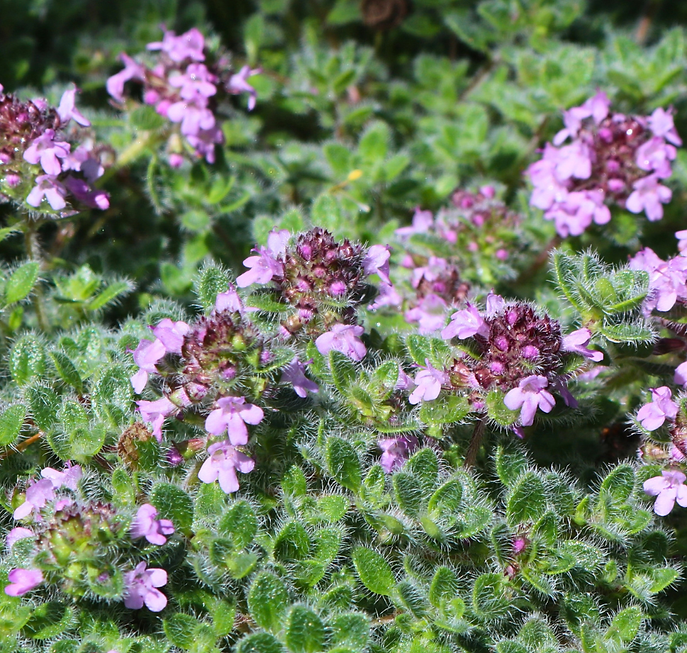
These common culinary herbs are high in volatile oils and can form a woody structure over time, making them higher risk. These can still be grown in your garden, just avoid planting them next to structures.
Hazardous Herbs
-
Rosemary
-
Sage
-
Thyme
-
Oregano
-
Bay Laurel
-
Overgrown Lavender
- Preserving Biodiversity -
Firescapes
Can Be Beautiful and Biodiverse.

Making intentional choices around plant selection, placement, maintenance, irrigation, mulches and other landscape materials can reduce potential fire hazards while still supporting biodiversity and creating lush, beautiful gardens.

Flag Sensitive Plants and Habitat
Before beginning pruning or vegetation removal, identify and clearly flag sensitive plants and habitat features that should be protected. This may include native plants, rare or culturally significant species, active nests, wildlife trees, nurse logs, wetlands, riparian areas, and other important habitat. Clearly marking these helps ensure that wildfire mitigation is targeted to reducing priority fuels rather than clearing the landscape entirely.
Consider the Time of Year
-
Remove woody debris during fall and winter to avoid distrubing spring wildflowers.
-
Avoid major pruning or vegetation removal when birds are nesting.
-
Prune conifers in fall and winter to reduce heavy sap bleeding.
-
Delay garden cleanups until spring to protect overwintering insects.
-
Remove invasive species before they go to seed.
-
Plant native species in the fall or early spring to take advantage seasonal rainfall.
-
Only add fresh mulch in fall after wildfire season and before the first frost.
Leave Nurse Logs
Fallen logs and woody debris play an important role in many healthy ecosystems. They provide habitat for insects, amphibians, and other wildlife while providing food for fungi and slowly returning nutrients and organic matter to the soil. Consider retaining larger nurse logs in areas farther from structures, rather than removing all deadwood from the landscape. Keep fresh fallen logs moist until they start to become visibly decomposed, make sure they stay in contact with the soil, and surrounded by appropriately managed vegetation.

Create Wildlife Trees

Standing dead or declining trees, often called wildlife trees or snags, provide valuable habitat for woodpeckers, owls, bats, insects, cavity-nesting birds, and many other species. Where it is safe to do so, consider retaining or creating wildlife trees. For existing wildlife trees, make sure to limb the tree 2 m above the surrounding vegetation to reduce its potential of becoming a fire ladder. To create a new wildlife tree, remove the lateral branches and top the tree to produce a tall, limbless trunk. This will reduce fire risk as it decomposes in place and will preserve as much of the ecological value of the tree as possible.
Remove Invasives AND Rewild with Native Plants
Removing invasive species is only half of the work to responsibly stewarding a biodiverse and wildfire-resilient landscape. Rewilding these areas with diverse native plants that are suited to the site and surrounding ecosystem is also an important action to follow up with. Avoiding leaving a site bare after invasive species removal ensures that the dormant invasive seedbank has more competition and will not grow back as vigorously. Native groundcovers, perennials, shrubs, and trees can also restore habitat, provide food and shelter for wildlife, support pollinators, and build greater ecological resilience of the landscape.
Slow, Sink and Store Water
Design landscapes to slow rainwater as it travels across the land, helping it soak into the soil and where it will be stored for drier periods. Features such as rain gardens, swales, and permeable surfaces are perfect for capturing and infiltrating water. Another way is by cultivating healthy soil through composting, mulching, and the use of groundcovers to help absorb and retain moisture. A landscape that holds more water can remain healthier, hydrated, and more resilient through the hot, dry summers.

Healthy Soil is the Foundation of a Healthy Ecosystem.
Avoid Pesticides and Herbicides
Often affects more than their intended targets and have negative impacts on birds, pollinators, beneficial insects, fungi, and other organisms. Instead, use preventative, cultural, mechanical, and biological approaches first, and treat chemical controls as a targeted last resort.
Avoid Synthetic Fertilizers
Can contribute to nutrient runoff, disrupt soil nutrient balances, and degrades the soil food web. Instead, focus on feeding the soil with compost, organic matter, and natural amendments that gradually improve soil structure, fertility, and biological activity.
Reduce Tilling
Frequent tilling can disrupt soil structure, fungal networks, microorganisms, and other soil life while bringing dormant weed seeds to the surface. Minimize unnecessary soil disturbance and allow plant roots, fungi, and soil organisms to naturally build and maintain soil structure.
Why Does Soil Health Matter for Wildfire Resilience?
Having natural materials such as leaves, plant trimmings, and other organic matter decompose in place is an important ecosystem function to allow where appropriate. Decomposers such as fungi, bacteria, insects, and worms break these materials down, returning nutrients to the soil and building organic matter to make your soil healthier. One of the most important benefits of having healthy soils is that they are able to capture and retain more water, helping a landscape be more drought-tolerant and wildfire-resilient. Actions such as composting in spring, mulching in fall, and leaving some organic material on garden beds and wildland areas beyond 10 m can help support the soil food web, improve soil structure, and retain more moisture. Excess dry surface debris should still be managed in areas where it could increase wildfire risk such as in the Immediate Zone (0-1.5 m), the Intermediate Zone (1.5-10 m) and in some of the possible fire corridors that are mentioned in the "Wildfire Behaviour" section. I discourage the clearing of all organic matter from landscapes because those materials will feed your soil, provide habitat for beneficial insects and wildlife and are an important part of ecosystems. What I do encourage is the mindful removal of built up dry materials to reduce the fire risk of our landscapes because I believe that there is a sweet spot where ecological stewardship and wildfire resilience can coexist.


