2026 Sustainable Garden Trends
Sustainable gardening has been gaining momentum for years, but in 2026 it's shaping up to be a standout movement. More gardeners are thinking about how their outdoor spaces can support biodiversity, conserve water, and create real ecological value without losing any beauty or personality. The trends showing up this year feel more intentional, more climate-aware, and a lot more creative.
Here are some of the biggest sustainable garden trends I predict for 2026 as a sustainable landscape designer and horticulturalist.
Native Planting

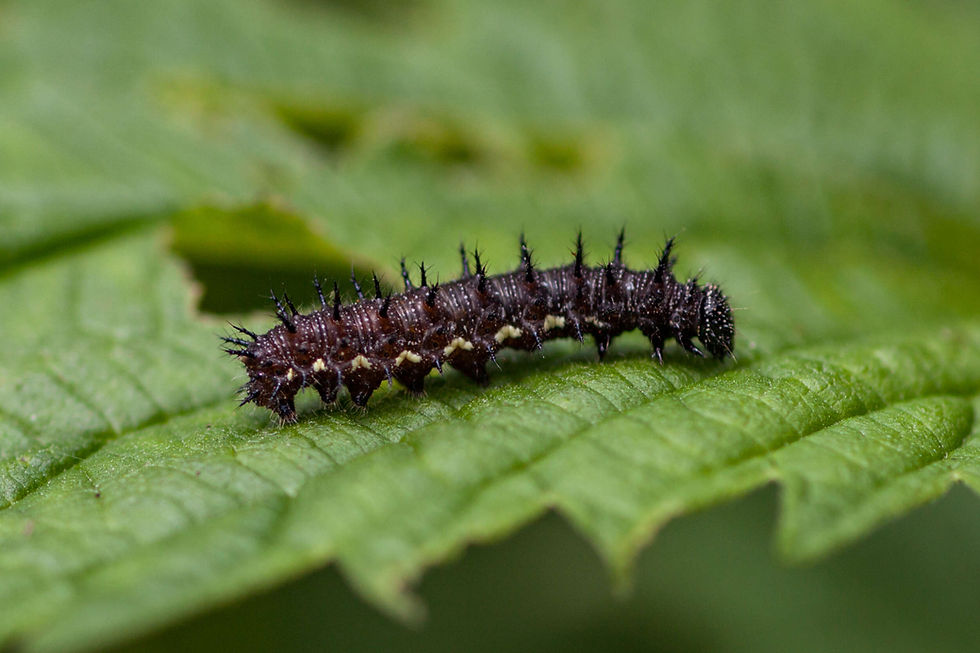
Native plants aren't just a fading trend and will become the baseline for many gardens. As more people understand how important native species are for local wildlife, pollinators, and overall ecosystem health. Not only are gardeners choosing plants that support caterpillars, bees, birds, and soil microbes instead of focusing solely on ornamental appeal, but many mainstream nurseries are carrying a wide variety of native plants at affordable prices, making native plants more accessible. Native shrubs, keystone species, and region-specific plant palettes will be showing up in more and more yards across North America.

Pollinator Pathways
I see communities are getting more organized and intentional about planting for pollinators. Instead of isolated gardens, we’re starting to see coordinated pollinator pathways that link yards, boulevards, parks, and school gardens. These connected corridors help bees, butterflies, and other beneficial insects move safely through neighbourhoods and regions. Homeowners are doing their part by reducing pesticide use, planting long-blooming native species, and adding water sources and habitat in even the smallest spaces.

Rain Gardens
With heavy rain events becoming more common and summer droughts becoming more intense, rain gardens will no longer be a niche garden feature. Homeowners and municipalities are catching on to how effective they are for managing runoff while also adding gorgeous plant diversity. A well-built rain garden slows stormwater, filters pollutants, and gives you a chance to grow a wide variety of beautiful plants that thrive in these basins. They turn a drainage problem into a landscape feature, and help recharge the groundwater table.

Pocket Forests
Pocket forests, sometimes called tiny forests or Miyawaki forests, are popping up everywhere. These are dense plantings of trees, shrubs, and understory plants designed to mimic a young woodland. The beauty of a pocket forest is that it grows fast, builds soil quickly, and creates habitat even in a small area. They fit into urban yards, boulevards, school grounds, and forgotten corners of parks. Gardeners are realizing you don’t need acreage to restore ecological function and even a three by ten foot strip can have a massive positive ecological impact.

Foodscaping
Foodscaping is nothing new, but it’s becoming more and more of a buzzword amongst gardeners. As our world changes, gardeners are starting to incorporate more edible plants into their gardens again and in a uniquely beautiful way. Instead of putting edible plants in raised beds at the back of the yard, people are weaving them into ornamental spaces. Think blueberry hedges, perennial herbs in front gardens, espaliered apple trees against sunny walls, and pollinator-friendly perennial vegetables mixed in with flowering shrubs. It’s practical, productive, and truly beautiful when done well. As grocery prices keep climbing, more gardeners are choosing landscapes that feed them while also feeding local pollinators and soil life.

Xeriscaping
Xeriscaping used to conjure images of gravel yards and a few cacti, but xeriscaping is much more nuanced. It’s rooted in water wise design, choosing plants suited to your climate, improving soil structure, and reducing your irrigation footprint. Gardeners are ditching thirsty lawns and swapping in drought-tolerant grasses, native perennials, shrubs, and ground covers. Mulching, strategic shading, and thoughtful irrigation design are becoming standard practice. The result is a landscape that uses significantly less water without feeling sparse or dry.
Land Stewardship, Not Property Management
More gardeners are thinking like land stewards rather than property managers. Backyard ecology means treating your garden as part of a larger ecosystem, not just a personal project. This shows up in choices like ditching the pesticides, leaving leaf litter for overwintering insects, adding deadwood for habitat, planting layered ecosystems like food forests, and designing with wildlife in mind. In 2026, a yard that hums with life is considered far more desirable than a perfectly clipped lawn.
All These 2026 Sustainable Garden Trends Have One Thing in Common...
They work with nature instead of against it. They save water, support wildlife, reduce maintenance, and create landscapes that age beautifully. Whether you are dreaming of a rain garden, curious about pocket forests, or ready to blend edibles into your front yard, this is a great year to try something new and I am here to help! I offer consultation and landscape design services to help support homeowners and communities turn their landscapes back into in a more sustainable space.